
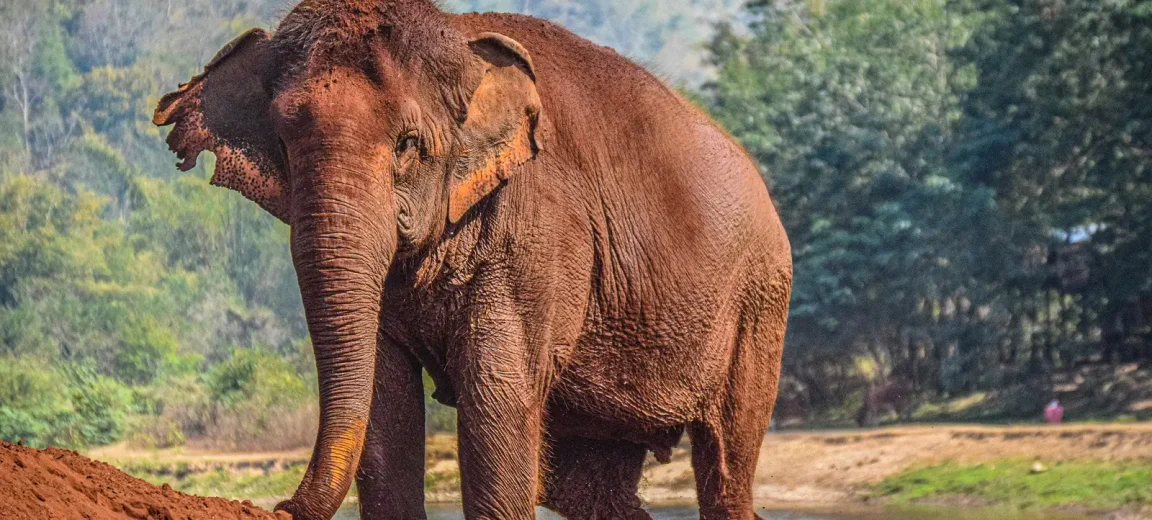
Almost everyone who books a trip to northern Thailand wants to meet an elephant, and almost everyone books it from a photo on a website that tells them nothing useful. The word “sanctuary” isn’t regulated here. Any venue can print it on a sign, and plenty of places still offering rides and circus tricks do exactly that.
The gap between a genuinely good elephant experience and an exploitative one is enormous for the animal and almost invisible from the booking page, which is why it’s worth ten minutes of your time before you pay a deposit. This is what to look for, what to walk away from, and what a responsible visit actually looks like.
Why Chiang Mai is full of elephants in the first place
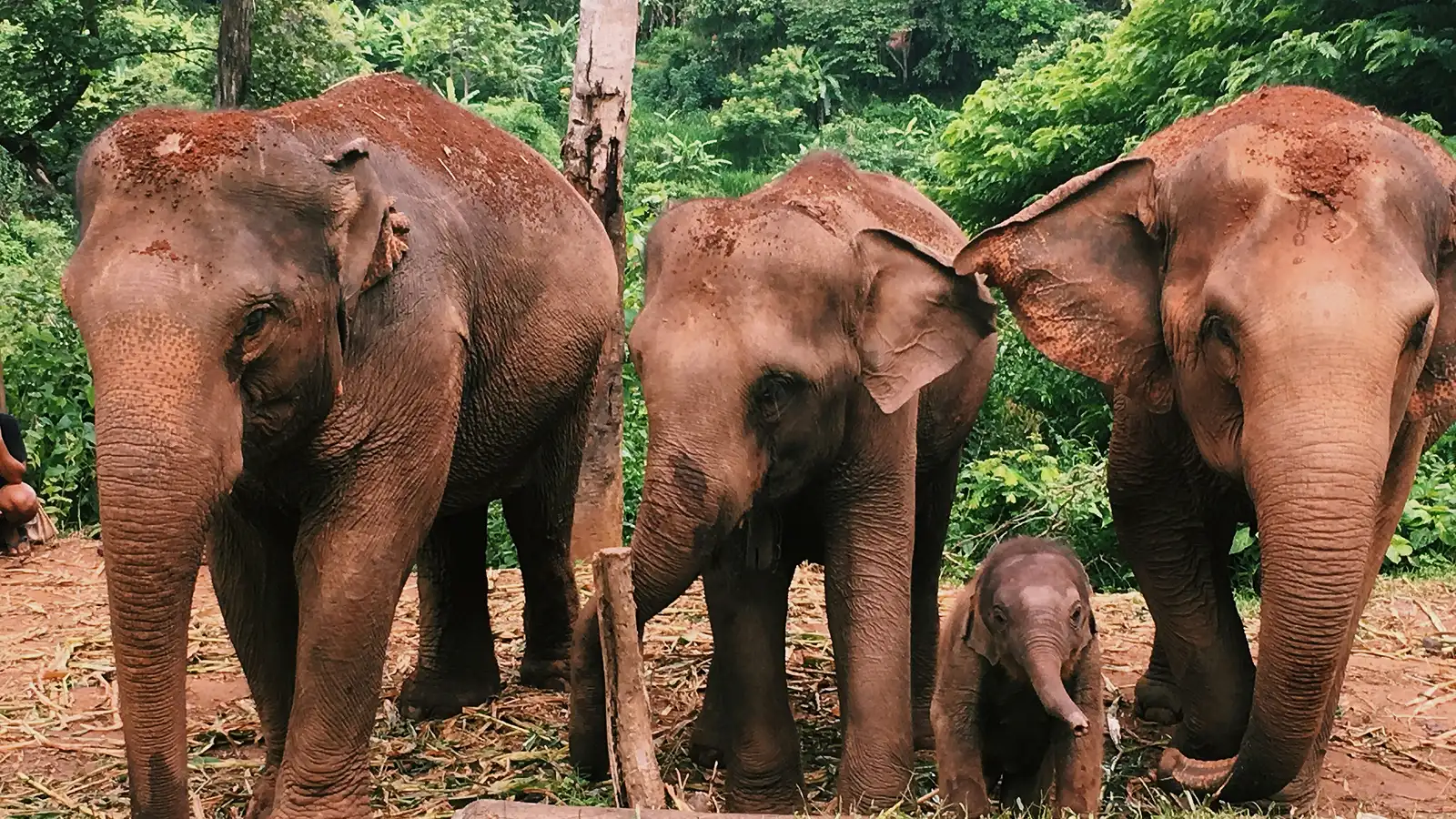
Thailand banned commercial logging in 1989 after catastrophic flooding, and thousands of working elephants and their mahouts were suddenly out of a job overnight. Those animals didn’t go back to the forest, because they couldn’t. There isn’t enough habitat left, and an elephant raised in human care has no herd to return to.
So they went into tourism, and the industry grew rather than shrank. World Animal Protection now estimates roughly 3,500 elephants are kept captive for tourism in Thailand, a number roughly equal to the country’s entire wild population, and about double the total in every other Asian country combined.
Two things follow from this, and both matter when you’re choosing where to go. First, “just leave them alone” is not an available option: these elephants eat 150-200 kg a day and someone has to pay for it. Second, your money is the mechanism. Tourism is what keeps every camp in the province open, the good ones and the bad ones alike, and the only vote you get is where you spend it.
The five things that separate a real sanctuary from a rebrand
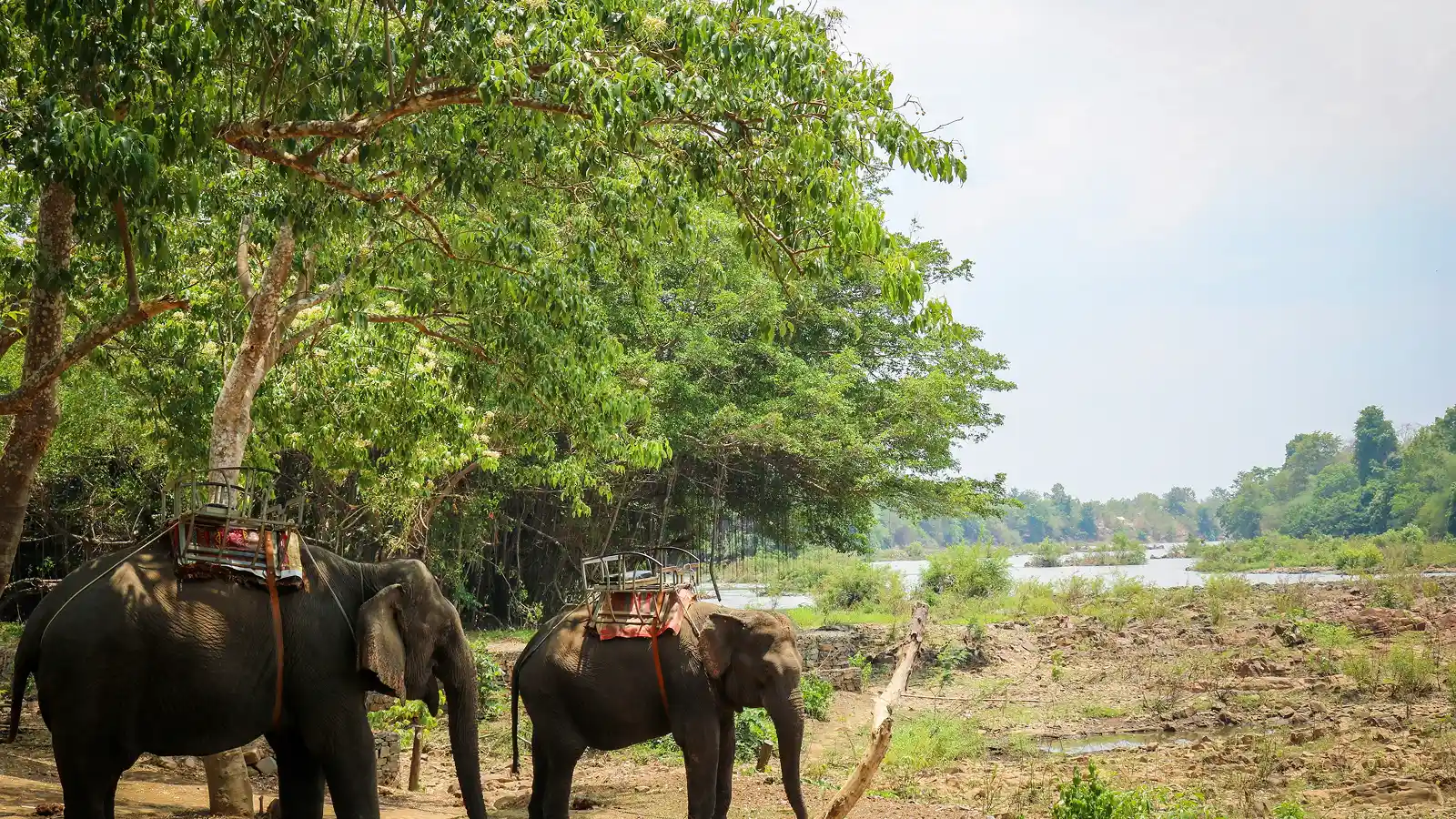
1. No riding. No exceptions. Not bareback, not “just ten minutes,” not with a guide. An elephant’s spine isn’t built to carry weight, and the training required to make a wild animal accept a rider is the part nobody photographs. Any venue offering rides has already told you what it is.
2. No shows, no tricks, no painting. Elephants don’t naturally stand on their heads, kick footballs or hold paintbrushes. Every one of those behaviours is trained, and trained the same way.
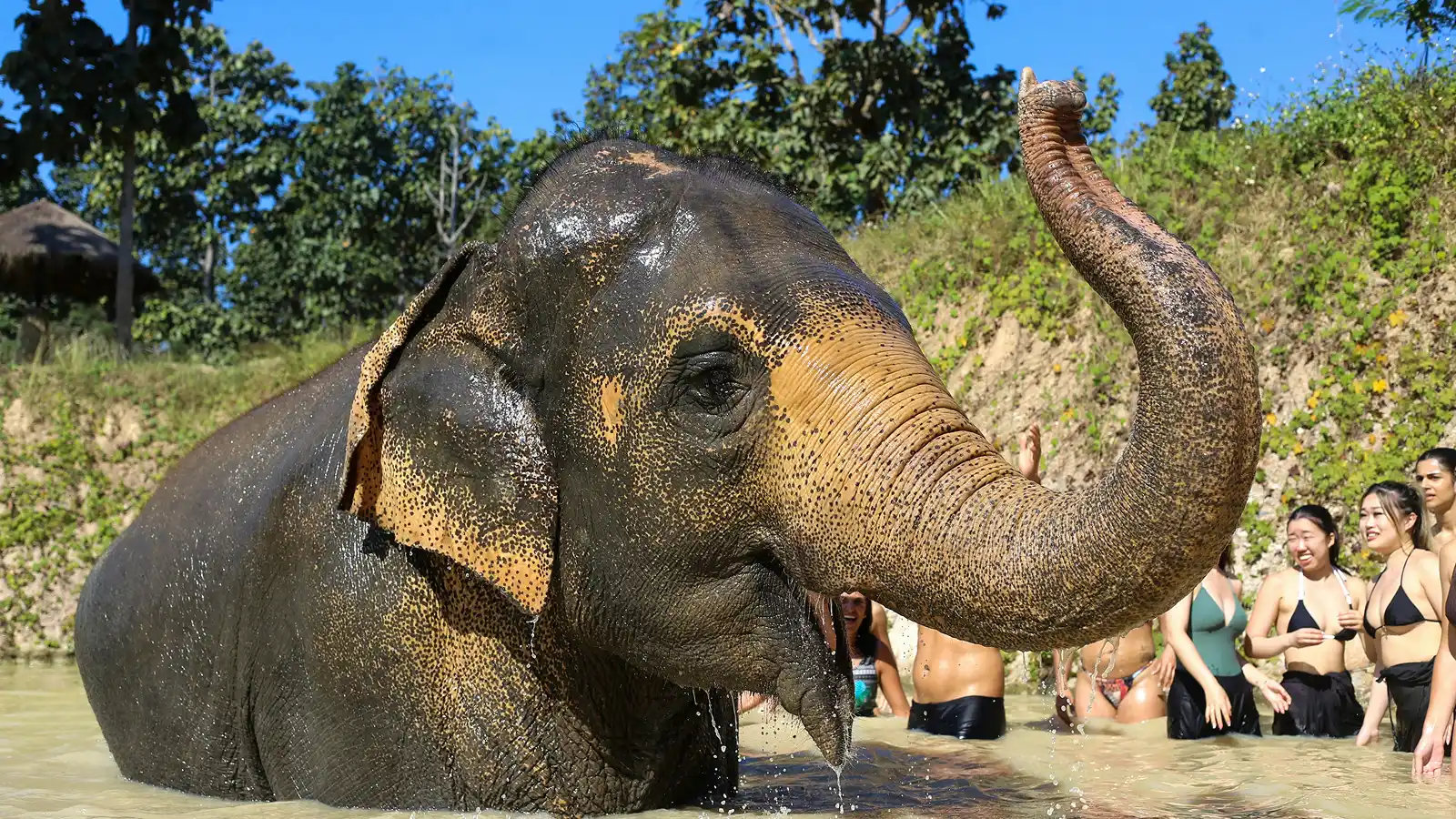
3. Observation over contact. The best places in Chiang Mai have moved steadily away from hands-on interaction. You’ll prepare food, walk at a distance while the herd forages, and watch a mud bath from the bank rather than climbing in. Sanctuaries that have stepped back from human-elephant bathing are following current best practice, not cutting the programme short. If a venue proudly advertises unlimited bathing and selfies, read that as a marketing decision rather than a welfare one.
4. Space, herd and choice. Ask how many elephants live on how much land, whether they can form social groups, and whether they’re free to move away from visitors. An elephant that can walk away from you when it’s had enough is the single clearest sign you’re in a decent place.
5. Small groups and honest numbers. Twelve visitors to a herd is a very different day from eighty. Good sanctuaries cap group sizes, publish what your fee pays for, and will answer direct questions by email before you book. Vague answers are an answer.
The red flags
- Baby elephants used as the main attraction, especially separated from their mothers
- Bullhooks visible in a mahout’s hand during your visit
- Chains used during the day, or chains anywhere with no explanation offered
- The word “sanctuary” alongside a menu that includes rides, shows or trekking
- A half-day price far below the local average. Proper care costs somewhere around 2,000-3,000 THB, and significantly cheaper means the savings came from somewhere
- No mention anywhere of where the elephants came from
What a good visit actually feels like
You’ll be picked up early, driven 60 to 90 minutes into the hills, and given a change of clothes. Most of the better sanctuaries sit well outside the city, often near Mae Wang or Mae Taeng. The morning goes into cutting fruit and preparing food, then walking with the herd while they graze, listening to a guide explain each elephant’s history. Lunch is usually a simple Thai buffet on-site. You’ll be back in Chiang Mai by mid-afternoon.
What you won’t get is a highlight reel. Elephants eat for sixteen hours a day and mostly ignore you, and a well-run sanctuary is honest about that in advance. It’s slower and quieter than the brochures suggest, and considerably more moving.
Many of the strongest projects in the region are run in partnership with Karen hill-tribe communities, where the mahout families have kept elephants for generations. Choosing one of those means your fee supports the village as well as the animal, which is worth asking about directly since it rarely appears on a booking page.
Tips from Esmeranda
“I tell people to ask one question before booking: can I walk away from the elephant, and can the elephant walk away from me? If the honest answer to both is yes, you’re in the right place.”
- Book direct, not through a street desk. Agents resell whatever pays them most, and the sign in the window rarely matches the reality.
- Email three questions first. Group size, land area, and whether bathing is included. Reply speed and tone tell you a lot.
- Wear dark clothes and closed shoes. You’ll get muddy, and flip-flops are a bad idea around a three-tonne animal.
- Skip the dry season if you can. March and April bring heat and haze in the north; November to February is far kinder for everyone, elephants included.
Summary
There is no perfect answer to elephant tourism in Thailand. These animals can’t be released, they’re expensive to keep, and visitors are what pays for their food. But there is a very clear difference between a place that works around the elephants and one that works the elephants.
Look for no riding, no performances, room to roam, small groups and a straight answer about where each animal came from, and you’ll spend your money on the right side of that line. If you’d rather not sort through fifty near-identical websites, we visit the sanctuaries we recommend in person and only work with the ones that pass this list. Ask us, and we’ll tell you honestly which ones didn’t.